
 Author: Shalini roy
Colon cancer:Colon cancer is also called as colorectal cancer. Colon cancer is referred as malignant tumor in which there will be an unusual growth of cells inside the colon or rectum than the required rate.
Colon cancer starts from the inner lining of the large intestine, this is the common part for the occurrence of colon cancer. So removal of these colonic polyps can prevent from the occurrence of colon cancer.
During the early stages of the colon cancer, there will be no symptoms or signs. Fully developed colon cancer results in causing symptoms like rectal bleeding, weight loss, bloodstream in the stool and bowel obstruction.
Causes of colon cancer:
Age: Generally aged people will be suffering from cancer due to the presence of polyps (glands) .if the age is above 50 years, there will be more chances of getting cancer due to the increase in risk factors.
Alcohol: Taking of alcohols will reduce the performance of body immune system which causes the chances of occurring cancer disease.
Diabetes: Diabetes leads to the occurrence of colon cancer due to insulin dependency at high rate.
Diet: Diet plays an important role in defining cancer. Taking fat foods with low fiber content will definitely causes cancer. Planning proper diet menu with rich fiber foods helps in preventing cancer from occurrence.
Environment: The surroundings in which you live and work also leads many risk factors for causing cancer. So, maintain proper surroundings.
Family pedigree: Family hereditary may cause cancer, but if you reduce the risk factors by staying healthy can prevent you from cancer.
Genetics: Many of the researchers suggest that 30 percent of the cancer cases have a genetic links.
Gender: Many of the research programs say that men are more often to face cancer than women.
Obesity: Obesity increases the chances of having colon cancer due to decrease in immune rate in the body system.
Polyps: polyps (unusual glands) increase the chance of having cancer. These polyps are due to excess growth of cells in the colon region or due to the family pedigree.
Smoking: This activity is the major risk factor in causing cancer. Smoking leads to lung cancer and also causes several side effects like digestion problems, burning sensation, headache and site blindness. So avoid smoking to prevent cancer from occurrence.
Colon cancer symptoms:
Sleep disorder: Due to severe illness, stress, emotional pain, usage of drugs and loneliness are the driving factors for causing sleep disorder. People suffering with colon cancer will generally face this disorder .
Nausea and vomiting: Body hormone changes, pains, body inflammation, poor blood flow and anxiety are the causing factors of nausea and vomiting.
Fatigue: Due to the treatment process of this colon cancer ,body faces severe exhaustion or tiredness.
Delirium: This side effect occurs in the last period of life .Delirium is nothing but the malfunction of the brain due to severe attack of cancer in the body.
Constipation: Constipation occurs during the early stage of the cancer. Constipation means slow movement of body waste through the body. Due to constipation the body faces illness.
Effects of colon cancer:
The risk factors for the cause of colon cancer are due to the family pedigree or growth of one or more polyps in the large intestine and also due to the bulge of the intestine. These risk factors can be reduced easily by taking low fat foods with rich fiber content.
Treatment of colon cancer:
Colon cancer can be treated easily by going for surgical operation for the process of removal of colon polyps (unusual growth of glands) in the large intestine. Surgery is carried to remove the cancer tumor. Surgery can be carried in the early stages of the tumor occurrence. Surgery is taken place only if the cancer is located in only one part of the body. During the surgery process the damaged lymph nodes are also removed along with the tumor. Active surveillance can be taken when the colon cancer grows slowly. Doctor keeps on monitoring the cancer growth in the body, if it starts to grow rapidly, then you can go for the treatment process at that very time for preventing it from re-occurrence.
Radiotherapy: Radiotherapy is a process of removing cancer cells by using high intensity x-rays. These high energy x-rays are aimed at the cancer affected part of the body to destroy the cancer cells .this process also causes damage to the normal cells for its side effects.
Chemotherapy: Chemotherapy drugs are called as anti-cancer drugs used to destroy cancer cells .there are many types of chemotherapy drugs available in the market for the treatment of cancer. These drugs are available in the form of pills but mostly given by drip into the blood veins. Chemotherapeutic drugs attack the cancer cells by stopping their unusual growth. The nature of this head and neck cancer cells were brought to the normal condition by controlling the divisibility of the cells.
The chemotherapy drugs are given in the following form:
• In tablet or pill form(head and neck)
• By taking injection(Intravenous or intramuscular)
• Injection taking in the (Intrathecal)
Colon cancer is treated by the following mentioned programs. Colon cancer is treated as a cancerous disease because of its effects and causes. Treating of colon cancer must be carried in the early stages to reduce the risk factors entirely to stay safe.
Article Source: http://www.articlesbase.com/health-articles/causes-effects-symptoms-and-treatments-of-colon-cancer-1064921.html
About the Author
Author shares information on causes, symptoms, effects, risk factors, preventions, treatments, prognosis of diseases like cancer, diabetes, heart attack, obesity and also shares information on Men’s health, women’s health, sexual health, mental health, health and fitness, pregnancy, Blood disorders, Muscles, bones and joints, Health issues, and Weight loss.
Stages Of Breast Cancer And Success Rates
Author: Vernon DeFlandersMedical professionals utilize the term "stage" to relate to the extent of cancer within the body. Knowing the stage of the cancer will help you along with your doctor establish your foremost treatment solution. Doctors generally say that a cancer is high grade or low grade. Some physicians utilize numbers 1 to 4 to relate to grade. Physicians strongly suggest doing a breast self-exam (BSE) each month. BSE should be done at the same time each month, preferably five to nine days following your period.
LCIS is sometimes known as "Stage " breast cancer, but that's not really precise because it's not really cancer. LCIS implies that there are defective cells in a lobule's lining. Although an analysis of LCIS in a single breast raises the potential risk of cancer for both breasts, the cancer is generally non-invasive. LCIS is a situation in which abnormal cells are found in the lobules (small parts of tissue associated with making milk) from the breast. This problem rarely becomes wide spread cancer; nevertheless, having LCIS in a single breast increases the potential risk of getting breast cancer in either breast.
Women with LCIS don't have breast cancer and the majority won't ever get breast cancer. They just don't have to have a mastectomy or even a lumpectomy, although they do need regular mammograms. Most women with LCIS may should also talk with their physicians concerning the benefits and limits of being tested yearly with magnetic resonance imaging (MRI) as well as mammograms. Close follow-up of both breasts is important mainly because women with LCIS in a single breast have an the same risk of getting breast cancer on the same or opposite side. Women in North America develop the highest rates of breast cancer anywhere.
Stage 1 breast cancer clients with radiation treatment method delayed by eight weeks were 1.4 times prone to have a recurrence or subsequent new primary breast cancerous growth in contrast to those receiving timely treatment; they also had lowered survival. Clients whose radiotherapy was delayed by 12 weeks or longer were 4x prone to end up with a recurrence or future new breast tumor. Women who are still having cycles and also have hormonal receptor-positive tumors is treatable with tamoxifen, which obstructs the results of estrogen being created by the ovaries. Some physicians also provide a luteinizing hormone-releasing hormone (LHRH) analogue, which makes the ovaries briefly stop functioning.Stage 1 breast cancer success rates are high. Scientific tests of breast cancer patients followed up to five years after treatment method show approximately 98% of women living through stage 1 breast cancer.
With stage 2 breast cancer the look of a different warning sign needs to be taken seriously by both the patients and their medical professionals, due to the chance of an underlying breast cancer at just about any age group.Benign tumors are not cancer. They just don't propagate with other body parts. Benign tumors are tumors that cannot spread by intrusion or metastasis; hence, they just develop locally. Cancerous tumors are growths that can handle scattering by attack and metastasis. Benign breast diseases such as mastitis and fibroadenoma on the breast more standard reason for breast disorder signs and symptoms.
Cells have receptors on their area as well as in their own cytoplasm and nucleus. Chemical messengers like the body's hormones bind to receptors, and this brings about changes in the cell.
In the 3rd stage of breast cancer continues to be local into the breast as well as the lymph nodes inside the arm pit and around the breast. Quite often health professionals will utilize a mix of treatments on the sufferer. Lymph nodes that may contain cancerous cells are eliminated simultaneously. After a mastectomy, a woman can opt to undergo breast reconstruction surgery. Treatment method for stage 3 breast cancer generally requires mastectomy or the removal of either or both breasts. The affected lymph nodes are usually taken out for a safety and basic precaution for remission or re-occurrence. Treatment method can also include surgery, radiation, specific treatments, or combining these treatment methods. Multi-modality therapy, which makes use of several treatment approaches, is increasingly accepted as a significant method for improving a client's chance of cure or prolonging survival.
Most women with Stage 3 breast cancer have a 54 to 67 % probability of survival. Women more than 70 years have been underrepresented in breast cancer adjuvant radiation treatment tests caused by issues about toxicity, safety and tolerance of chemotherapy. Being menopausal status for those who described hysterectomy on it's own was categorized as not known and these subjects were also excluded, leaving behind 558 (79.%) cases and 1,116 (80.8%) controls.
Stage 4 breast cancer is the category of breast cancer that has spread away of the breast to additional parts of the body for instance lung, bone, river, even brain. Relieving symptoms, in certain cases through the use of the medication tamoxifen or radical mastectomy and increasing survival time is targeted on for the treatment of breast cancer stage 4. Phase 4 breast cancer is the most fatal class of the disease. Patients need to work closely with their health care experts for success within their treatments. Stage 4 breast cancer has a five year success rate of 20%.
Article Source: http://www.articlesbase.com/cancer-articles/stages-of-breast-cancer-and-success-rates-2873299.html
About the Author
If what is covered in this article makes you wonder you, then you need to grab and read a copy of the e-book "Learn What Breast Cancer is and How to Deal with It". Once you do this, you will understand cancer types,its symptoms, treatment options, and a lot more. Now you need to visit http://www.mywinningbreastcancer.com

What are the causes of breast cancer?
Breast cancer is the most common cause of cancer in women and the second most common cause of cancer death in women in the U.S. While the majority of new breast cancers are diagnosed as a result of an abnormality seen on a mammogram, a lump, or change in consistency of the breast tissue can also be a warning sign of the disease. Heightened awareness of breast cancer risk in the past decades has led to an increase in the number of women undergoing mammography for screening, leading to detection of cancers in earlier stages and a resultant improvement in survival rates. Still, breast cancer is the most common cause of death in women between 45-55 years of age. Although breast cancer in women is a common form of cancer, male breast cancer does occur and accounts for about 1% of all cancer deaths in men.
Breast cancer is the most common cause of cancer in women and the second most common cause of cancer death in women in the U.S. While the majority of new breast cancers are diagnosed as a result of an abnormality seen on a mammogram, a lump, or change in consistency of the breast tissue can also be a warning sign of the disease. Heightened awareness of breast cancer risk in the past decades has led to an increase in the number of women undergoing mammography for screening, leading to detection of cancers in earlier stages and a resultant improvement in survival rates. Still, breast cancer is the most common cause of death in women between 45-55 years of age. Although breast cancer in women is a common form of cancer, male breast cancer does occur and accounts for about 1% of all cancer deaths in men.
Download Video Directly
Research has yielded much information about the causes of breast cancers, and it is now believed that genetic and/or hormonal factors are the primary risk factors for breast cancer. Staging systems have been developed to allow doctors to characterize the extent to which a particular cancer has spread and to make decisions concerning treatment options. Breast cancer treatment depends upon many factors, including the type of cancer and the extent to which it has spread. Treatment options for breast cancer may involve surgery (removal of the cancer alone or, in some cases, mastectomy), radiation therapy, hormonal therapy, and/or chemotherapy.

With advances in screening, diagnosis, and treatment, the death rate for breast cancer has declined. In fact, about 90% of women newly diagnosed with breast cancer will survive for at least five years. Research is ongoing to develop even more effective screening and treatment programs.

With advances in screening, diagnosis, and treatment, the death rate for breast cancer has declined. In fact, about 90% of women newly diagnosed with breast cancer will survive for at least five years. Research is ongoing to develop even more effective screening and treatment programs.
What is the follow-up care for colon cancer?
Follow-up exams are important after treatment for colon cancer. The cancer can recur near the original site or in a distant organ such as the liver or lung. Follow-up exams include a physical examination by the doctor, blood tests of liver enzymes, chest x-rays, CAT scans of the abdomen and pelvis, colonoscopies, and blood CEA levels. Abnormal liver enzymes may indicate growth of liver metastasis. CEA levels may be elevated before surgery and become normal shortly after the cancer is removed. Slowly rising CEA level may indicate cancer recurrence. A CAT scan of the abdomen and pelvis can show tumor recurrence in the liver, pelvis, or other areas. Colonoscopy can show recurrence of polyps or cancer in the large intestine.
In addition to checking for cancer recurrence, patients who have had colon cancer may have an increased risk of cancer of the prostate, breast, and ovary. Therefore, follow-up examinations should include these areas.

Follow-up exams are important after treatment for colon cancer. The cancer can recur near the original site or in a distant organ such as the liver or lung. Follow-up exams include a physical examination by the doctor, blood tests of liver enzymes, chest x-rays, CAT scans of the abdomen and pelvis, colonoscopies, and blood CEA levels. Abnormal liver enzymes may indicate growth of liver metastasis. CEA levels may be elevated before surgery and become normal shortly after the cancer is removed. Slowly rising CEA level may indicate cancer recurrence. A CAT scan of the abdomen and pelvis can show tumor recurrence in the liver, pelvis, or other areas. Colonoscopy can show recurrence of polyps or cancer in the large intestine.
In addition to checking for cancer recurrence, patients who have had colon cancer may have an increased risk of cancer of the prostate, breast, and ovary. Therefore, follow-up examinations should include these areas.
What does the future hold for patients with colorectal cancer?
Colon cancer remains a major cause of death and disease, especially in the western world. A clear understanding of the causes and course of the disease is emerging. This has allowed for recommendations regarding screening for and prevention of this disease. The removal of colon polyps helps prevent colon cancer. Early detection of colon cancer can improve the chances of a cure and overall survival. Treatment remains unsatisfactory for advanced disease, but research in this area remains strong and newer treatments continue to emerge. New and exciting preventive measures have recently focused on the possible beneficial effects of aspirin or other anti-inflammatory agents. In trials, the use of these agents has markedly limited colon cancer formation in several experimental models. Other agents being evaluated to prevent colon cancer include calcium, selenium, and vitamins A, C, and E. More studies are needed before these agents can be recommended for widespread use by the public to prevent colon cancer.Colon Cancer At A Glance
- Colorectal cancer is a malignant tumor arising from the inner wall of the large intestine.
- Colorectal cancer is the third leading cause of cancer in males and fourth in females in the U.S.
- Risk factors for colorectal cancer include heredity, colon polyps, and long-standing ulcerative colitis.
- Most colorectal cancers develop from polyps. Removal of colon polyps can prevent colorectal cancer.
- Colon polyps and early cancer can have no symptoms. Therefore regular screening is important.
- Diagnosis of colorectal cancer can be made by barium enema or by colonoscopy with biopsy confirmation of cancer tissue.
- Treatment of colorectal cancer depends on the location, size, and extent of cancer spread, as well as the age and health of the patient.
- Surgery is the most common treatment for colorectal cancer
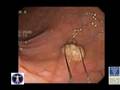
How can colon cancer be prevented?
Unfortunately, colon cancers can be well advanced before they are detected. The most effective prevention of colon cancer is early detection and removal of precancerous colon polyps before they turn cancerous. Even in cases where cancer has already developed, early detection still significantly improves the chances of a cure by surgically removing the cancer before the disease spreads to other organs. Multiple world health organizations have suggested general screening guidelines.
Digital rectal examination and stool occult blood testing
It is recommended that all individuals over the age of 40 have yearly digital examinations of the rectum and their stool tested for hidden or "occult" blood. During digital examination of the rectum, the doctor inserts a gloved finger into the rectum to feel for abnormal growths. Stool samples can be obtained to test for occult blood (see below). The prostate gland can be examined at the same time.
Unfortunately, colon cancers can be well advanced before they are detected. The most effective prevention of colon cancer is early detection and removal of precancerous colon polyps before they turn cancerous. Even in cases where cancer has already developed, early detection still significantly improves the chances of a cure by surgically removing the cancer before the disease spreads to other organs. Multiple world health organizations have suggested general screening guidelines.
Digital rectal examination and stool occult blood testing
It is recommended that all individuals over the age of 40 have yearly digital examinations of the rectum and their stool tested for hidden or "occult" blood. During digital examination of the rectum, the doctor inserts a gloved finger into the rectum to feel for abnormal growths. Stool samples can be obtained to test for occult blood (see below). The prostate gland can be examined at the same time.
Download Video Directly

An important screening test for colorectal cancers and polyps is the stool occult blood test. Tumors of the colon and rectum tend to bleed slowly into the stool. The small amount of blood mixed into the stool is usually not visible to the naked eye. The commonly used stool occult blood tests rely on chemical color conversions to detect microscopic amounts of blood. These tests are both convenient and inexpensive. A small amount of stool sample is smeared on a special card for occult blood testing. Usually, three consecutive stool cards are collected. A person who tests positive for stool occult blood has a 30% to 45% chance of having a colon polyp and a 3% to 5% chance of having a colon cancer. Colon cancers found under these circumstances tend to be early and have a better long-term prognosis.
It is important to remember that having stool tested positive for occult blood does not necessarily mean the person has colon cancer. Many other conditions can cause occult blood in the stool. However, patients with a positive stool occult blood should undergo further evaluations involving barium enema x-rays, colonoscopies, and other tests to exclude colon cancer, and to explain the source of the bleeding. It is also important to realize that stool which has tested negative for occult blood does not mean the absence of colorectal cancer or polyps. Even under ideal testing conditions, at least 20% of colon cancers can be missed by stool occult blood screening. Many patients with colon polyps are tested negative for stool occult blood. In patients suspected of having colon tumors, and in those with high risk factors for developing colorectal polyps and cancer, flexible sigmoidoscopies or screening colonoscopies are performed even if the stool occult blood tests are negative.
Flexible sigmoidoscopy and colonoscopy
Beginning at age 50, a flexible sigmoidoscopy screening tests is recommended every three to five years. Flexible sigmoidoscopy is an exam of the rectum and the lower colon using a viewing tube (a short version of colonoscopy). Recent studies have shown that the use of screening flexible sigmoidoscopy can reduce mortality from colon cancer. This is a result of the detection of polyps or early cancers in people with no symptoms. If a polyp or cancer is found, a complete colonoscopy is recommended. The majority of colon polyps can be completely removed by colonoscopy without open surgery. Recently doctors are recommending screening colonoscopies instead of screening flexible sigmoidoscopies for healthy individuals starting at ages 50-55. Please read the Colon Cancer Screening article.
Patients with a high risk of developing colorectal cancer may undergo colonoscopies starting at earlier ages than 50. For example, patients with family history of colon cancer are recommended to start screening colonoscopies at an age 10 years before the earliest colon caner diagnosed in a first-degree relative, or five years earlier than the earliest precancerous colon polyp discovered in a first-degree relative. Patients with hereditary colon cancer syndromes such as FAP, AFAP, HNPCC, and MYH are recommended to begin colonoscopies early. The recommendations differ depending on the genetic defect, for example in FAP; colonoscopies may begin during teenage years to look for the development of colon polyps. Patients with a prior history of polyps or colon cancer may also undergo colonoscopies to exclude recurrence. Patients with a long history (greater than 10 years) of chronic ulcerative colitis have an increased risk of colon cancer, and should have regular colonoscopies to look for precancerous changes in the colon lining.
Genetic counseling and testing
Blood tests are now available to test for FAP, AFAP, MYH, and HNPCC hereditary colon cancer syndromes. Families with multiple members having colon cancers, members with multiple colon polyps, members having cancers at young ages, and having other cancers such as cancers of the ureters, uterus, duodenum, etc., should be referred for genetic counseling followed possibly by genetic testing. Genetic testing without prior counseling is discouraged because of the extensive family education that is involved and the complicated nature of interpreting the test results.
The advantages of genetic counseling followed by genetic testing include: (1) identifying family members at high risk of developing colon cancer to begin colonoscopies early; (2) identifying high risk members so that screening may begin to prevent other cancers such as ultrasound tests for uterine cancer, urine examinations for ureter cancer, and upper endoscopies for stomach and duodenal cancers; and (3) alleviating concern for members who test negative for the hereditary genetic defects.
Diet and colon cancer to prevent colon cancer
People can change their eating habits by reducing fat intake and increasing fiber (roughage) in their diet. Major sources of fat are meat, eggs, dairy products, salad dressings, and oils used in cooking. Fiber is the insoluble, nondigestible part of plant material present in fruits, vegetables, and whole-grain breads and cereals. It is postulated that high fiber in the diet leads to the creation of bulky stools which can rid the intestines of potential carcinogens. In addition, fiber leads to the more rapid transit of fecal material through the intestine, thus allowing less time for a potential carcinogen to react with the intestinal lining. For additional information, please read the Colon Cancer Prevention article.
It is important to remember that having stool tested positive for occult blood does not necessarily mean the person has colon cancer. Many other conditions can cause occult blood in the stool. However, patients with a positive stool occult blood should undergo further evaluations involving barium enema x-rays, colonoscopies, and other tests to exclude colon cancer, and to explain the source of the bleeding. It is also important to realize that stool which has tested negative for occult blood does not mean the absence of colorectal cancer or polyps. Even under ideal testing conditions, at least 20% of colon cancers can be missed by stool occult blood screening. Many patients with colon polyps are tested negative for stool occult blood. In patients suspected of having colon tumors, and in those with high risk factors for developing colorectal polyps and cancer, flexible sigmoidoscopies or screening colonoscopies are performed even if the stool occult blood tests are negative.
Flexible sigmoidoscopy and colonoscopy
Beginning at age 50, a flexible sigmoidoscopy screening tests is recommended every three to five years. Flexible sigmoidoscopy is an exam of the rectum and the lower colon using a viewing tube (a short version of colonoscopy). Recent studies have shown that the use of screening flexible sigmoidoscopy can reduce mortality from colon cancer. This is a result of the detection of polyps or early cancers in people with no symptoms. If a polyp or cancer is found, a complete colonoscopy is recommended. The majority of colon polyps can be completely removed by colonoscopy without open surgery. Recently doctors are recommending screening colonoscopies instead of screening flexible sigmoidoscopies for healthy individuals starting at ages 50-55. Please read the Colon Cancer Screening article.
Patients with a high risk of developing colorectal cancer may undergo colonoscopies starting at earlier ages than 50. For example, patients with family history of colon cancer are recommended to start screening colonoscopies at an age 10 years before the earliest colon caner diagnosed in a first-degree relative, or five years earlier than the earliest precancerous colon polyp discovered in a first-degree relative. Patients with hereditary colon cancer syndromes such as FAP, AFAP, HNPCC, and MYH are recommended to begin colonoscopies early. The recommendations differ depending on the genetic defect, for example in FAP; colonoscopies may begin during teenage years to look for the development of colon polyps. Patients with a prior history of polyps or colon cancer may also undergo colonoscopies to exclude recurrence. Patients with a long history (greater than 10 years) of chronic ulcerative colitis have an increased risk of colon cancer, and should have regular colonoscopies to look for precancerous changes in the colon lining.
Genetic counseling and testing
Blood tests are now available to test for FAP, AFAP, MYH, and HNPCC hereditary colon cancer syndromes. Families with multiple members having colon cancers, members with multiple colon polyps, members having cancers at young ages, and having other cancers such as cancers of the ureters, uterus, duodenum, etc., should be referred for genetic counseling followed possibly by genetic testing. Genetic testing without prior counseling is discouraged because of the extensive family education that is involved and the complicated nature of interpreting the test results.
The advantages of genetic counseling followed by genetic testing include: (1) identifying family members at high risk of developing colon cancer to begin colonoscopies early; (2) identifying high risk members so that screening may begin to prevent other cancers such as ultrasound tests for uterine cancer, urine examinations for ureter cancer, and upper endoscopies for stomach and duodenal cancers; and (3) alleviating concern for members who test negative for the hereditary genetic defects.
Diet and colon cancer to prevent colon cancer
People can change their eating habits by reducing fat intake and increasing fiber (roughage) in their diet. Major sources of fat are meat, eggs, dairy products, salad dressings, and oils used in cooking. Fiber is the insoluble, nondigestible part of plant material present in fruits, vegetables, and whole-grain breads and cereals. It is postulated that high fiber in the diet leads to the creation of bulky stools which can rid the intestines of potential carcinogens. In addition, fiber leads to the more rapid transit of fecal material through the intestine, thus allowing less time for a potential carcinogen to react with the intestinal lining. For additional information, please read the Colon Cancer Prevention article.
What are the treatments and survival for colon cancer?
Surgery is the most common treatment for colorectal cancer. During surgery, the tumor, a small margin of the surrounding healthy bowel, and adjacent lymph nodes are removed. The surgeon then reconnects the healthy sections of the bowel. In patients with rectal cancer, the rectum is permanently removed. The surgeon then creates an opening (colostomy) on the abdomen wall through which solid waste in the colon is excreted. Specially trained nurses (enterostomal therapists) can help patients adjust to colostomies, and most patients with colostomies return to a normal lifestyle.

Surgery is the most common treatment for colorectal cancer. During surgery, the tumor, a small margin of the surrounding healthy bowel, and adjacent lymph nodes are removed. The surgeon then reconnects the healthy sections of the bowel. In patients with rectal cancer, the rectum is permanently removed. The surgeon then creates an opening (colostomy) on the abdomen wall through which solid waste in the colon is excreted. Specially trained nurses (enterostomal therapists) can help patients adjust to colostomies, and most patients with colostomies return to a normal lifestyle.
Download Video Directly
The long-term prognosis after surgery depends on whether the cancer has spread to other organs (metastasis). The risk of metastasis is proportional to the depth of penetration of the cancer into the bowel wall. In patients with early colon cancer which is limited to the superficial layer of the bowel wall, surgery is often the only treatment needed. These patients can experience long-term survival in excess of 80%. In patients with advanced colon cancer, wherein the tumor has penetrated beyond the bowel wall and there is evidence of metastasis to distant organs, the five-year survival rate is less than 10%.
In some patients, there is no evidence of distant metastasis at the time of surgery, but the cancer has penetrated deeply into the colon wall or reached adjacent lymph nodes. These patients are at risk of tumor recurrence either locally or in distant organs. Chemotherapy in these patients may delay tumor recurrence and improve survival.
Chemotherapy is the use of medications to kill cancer cells. It is a systemic therapy, meaning that the medication travels throughout the body to destroy cancer cells. After colon cancer surgery, some patients may harbor microscopic metastasis (small foci of cancer cells that cannot be detected). Chemotherapy is given shortly after surgery to destroy these microscopic cells. Chemotherapy given in this manner is called adjuvant chemotherapy. Recent studies have shown increased survival and delay of tumor recurrence in some patients treated with adjuvant chemotherapy within five weeks of surgery. Most drug regimens have included the use of 5-flourauracil (5-FU). On the other hand, chemotherapy for shrinking or controlling the growth of metastatic tumors has been disappointing. Improvement in the overall survival for patients with widespread metastasis has not been convincingly demonstrated.
Chemotherapy is usually given in a doctor's office, in the hospital as a outpatient, or at home. Chemotherapy is usually given in cycles of treatment periods followed by recovery periods. Side effects of chemotherapy vary from person to person, and also depend on the agents given. Modern chemotherapy agents are usually well tolerated, and side effects are manageable. In general, anticancer medications destroy cells that are rapidly growing and dividing. Therefore, red blood cells, platelets, and white blood cells are frequently affected by chemotherapy. Common side effects include anemia, loss of energy, easy bruising, and a low resistance to infections. Cells in the hair roots and intestines also divide rapidly. Therefore, chemotherapy can cause hair loss, mouth sores, nausea, vomiting, and diarrhea.
Radiation therapy in colorectal cancer has been limited to treating cancer of the rectum. There is a decreased local recurrence of rectal cancer in patients receiving radiation either prior to or after surgery. Without radiation, the risk of rectal cancer recurrence is close to 50%. With radiation, the risk is lowered to approximately 7%. Side effects of radiation treatment include fatigue, temporary or permanent pelvic hair loss, and skin irritation in the treated areas.
Other treatments have included the use of localized infusion of chemotherapeutic agents into the liver, the most common site of metastasis. This involves the insertion of a pump into the blood supply of the liver which can deliver high doses of medicine directly to the liver tumor. Response rates for these treatments have been reported to be as high as eighty percent. Side effects, however, can be serious. Additional experimental agents considered for the treatment of colon cancer include the use of cancer-seeking antibodies bound to cancer-fighting drugs. Such combinations can specifically seek and destroy tumor tissues in the body. Other treatments attempt to boost the immune system, the bodies' own defense system, in an effort to more effectively attack and control colon cancer. In patients who are poor surgical risks, but who have large tumors which are causing obstruction or bleeding, laser treatment can be used to destroy cancerous tissue and relieve associated symptoms. Still other experimental agents include the use of photodynamic therapy. In this treatment, a light sensitive agent is taken up by the tumor which can then be activated to cause tumor destruction.
In some patients, there is no evidence of distant metastasis at the time of surgery, but the cancer has penetrated deeply into the colon wall or reached adjacent lymph nodes. These patients are at risk of tumor recurrence either locally or in distant organs. Chemotherapy in these patients may delay tumor recurrence and improve survival.
Chemotherapy is the use of medications to kill cancer cells. It is a systemic therapy, meaning that the medication travels throughout the body to destroy cancer cells. After colon cancer surgery, some patients may harbor microscopic metastasis (small foci of cancer cells that cannot be detected). Chemotherapy is given shortly after surgery to destroy these microscopic cells. Chemotherapy given in this manner is called adjuvant chemotherapy. Recent studies have shown increased survival and delay of tumor recurrence in some patients treated with adjuvant chemotherapy within five weeks of surgery. Most drug regimens have included the use of 5-flourauracil (5-FU). On the other hand, chemotherapy for shrinking or controlling the growth of metastatic tumors has been disappointing. Improvement in the overall survival for patients with widespread metastasis has not been convincingly demonstrated.
Chemotherapy is usually given in a doctor's office, in the hospital as a outpatient, or at home. Chemotherapy is usually given in cycles of treatment periods followed by recovery periods. Side effects of chemotherapy vary from person to person, and also depend on the agents given. Modern chemotherapy agents are usually well tolerated, and side effects are manageable. In general, anticancer medications destroy cells that are rapidly growing and dividing. Therefore, red blood cells, platelets, and white blood cells are frequently affected by chemotherapy. Common side effects include anemia, loss of energy, easy bruising, and a low resistance to infections. Cells in the hair roots and intestines also divide rapidly. Therefore, chemotherapy can cause hair loss, mouth sores, nausea, vomiting, and diarrhea.
Radiation therapy in colorectal cancer has been limited to treating cancer of the rectum. There is a decreased local recurrence of rectal cancer in patients receiving radiation either prior to or after surgery. Without radiation, the risk of rectal cancer recurrence is close to 50%. With radiation, the risk is lowered to approximately 7%. Side effects of radiation treatment include fatigue, temporary or permanent pelvic hair loss, and skin irritation in the treated areas.
Other treatments have included the use of localized infusion of chemotherapeutic agents into the liver, the most common site of metastasis. This involves the insertion of a pump into the blood supply of the liver which can deliver high doses of medicine directly to the liver tumor. Response rates for these treatments have been reported to be as high as eighty percent. Side effects, however, can be serious. Additional experimental agents considered for the treatment of colon cancer include the use of cancer-seeking antibodies bound to cancer-fighting drugs. Such combinations can specifically seek and destroy tumor tissues in the body. Other treatments attempt to boost the immune system, the bodies' own defense system, in an effort to more effectively attack and control colon cancer. In patients who are poor surgical risks, but who have large tumors which are causing obstruction or bleeding, laser treatment can be used to destroy cancerous tissue and relieve associated symptoms. Still other experimental agents include the use of photodynamic therapy. In this treatment, a light sensitive agent is taken up by the tumor which can then be activated to cause tumor destruction.

What tests can be done to detect colon cancer?
When colon cancer is suspected, either a lower GI series (barium enema x-ray) or colonoscopy is performed to confirm the diagnosis and to localize the tumor.
When colon cancer is suspected, either a lower GI series (barium enema x-ray) or colonoscopy is performed to confirm the diagnosis and to localize the tumor.
Download Video Directly

A barium enema involves taking x-rays of the colon and the rectum after the patient is given an enema with a white, chalky liquid containing barium. The barium outlines the large intestines on the x-rays. Tumors and other abnormalities appear as dark shadows on the x-rays. For more information, please read the Lower Gastrointestinal Series (Barium Enema) article.
Colonoscopy is a procedure whereby a doctor inserts a long, flexible viewing tube into the rectum for the purpose of inspecting the inside of the entire colon. Colonoscopy is generally considered more accurate than barium enema x-rays, especially in detecting small polyps. If colon polyps are found, they are usually removed through the colonoscope and sent to the pathologist. The pathologist examines the polyps under the microscope to check for cancer. While the majority of the polyps removed through the colonoscopes are benign, many are precancerous. Removal of precancerous polyps prevents the future development of colon cancer from these polyps. For more information, please read the Colonoscopy article.
If cancerous growths are found during colonoscopy, small tissue samples (biopsies) can be obtained and examined under the microscope to confirm the diagnosis. If colon cancer is confirmed by a biopsy, staging examinations are performed to determine whether the cancer has already spread to other organs. Since colorectal cancer tends to spread to the lungs and the liver, staging tests usually include chest x-rays, ultrasonography, or a CAT scan of the lungs, liver, and abdomen.
Sometimes, the doctor may obtain a blood test for CEA (carcinoembyonic antigen). CEA is a substance produced by some cancer cells. It is sometimes found in high levels in patients with colorectal cancer, especially when the disease has spread.
Colonoscopy is a procedure whereby a doctor inserts a long, flexible viewing tube into the rectum for the purpose of inspecting the inside of the entire colon. Colonoscopy is generally considered more accurate than barium enema x-rays, especially in detecting small polyps. If colon polyps are found, they are usually removed through the colonoscope and sent to the pathologist. The pathologist examines the polyps under the microscope to check for cancer. While the majority of the polyps removed through the colonoscopes are benign, many are precancerous. Removal of precancerous polyps prevents the future development of colon cancer from these polyps. For more information, please read the Colonoscopy article.
If cancerous growths are found during colonoscopy, small tissue samples (biopsies) can be obtained and examined under the microscope to confirm the diagnosis. If colon cancer is confirmed by a biopsy, staging examinations are performed to determine whether the cancer has already spread to other organs. Since colorectal cancer tends to spread to the lungs and the liver, staging tests usually include chest x-rays, ultrasonography, or a CAT scan of the lungs, liver, and abdomen.
Sometimes, the doctor may obtain a blood test for CEA (carcinoembyonic antigen). CEA is a substance produced by some cancer cells. It is sometimes found in high levels in patients with colorectal cancer, especially when the disease has spread.

What are the symptoms of colon cancer?
Symptoms of colon cancer are numerous and nonspecific. They include fatigue, weakness, shortness of breath, change in bowel habits, narrow stools, diarrhea or constipation, red or dark blood in stool, weight loss, abdominal pain, cramps, or bloating. Other conditions such as irritable bowel syndrome (spastic colon), ulcerative colitis, Crohn's disease, diverticulosis, and peptic ulcer disease can have symptoms that mimic colorectal cancer. For more information on these conditions, please read the following articles: Irritable Bowel Syndrome, Ulcerative Colitis, Crohn's Disease, Diverticulosis, and Peptic Ulcer Disease.
Colon cancer can be present for several years before symptoms develop. Symptoms vary according to where in the large bowel the tumor is located. The right colon is spacious, and cancers of the right colon can grow to large sizes before they cause any abdominal symptoms. Typically, right-sided cancers cause iron deficiency anemia due to the slow loss of blood over a long period of time. Iron deficiency anemia causes fatigue, weakness, and shortness of breath. The left colon is narrower than the right colon. Therefore, cancers of the left colon are more likely to cause partial or complete bowel obstruction. Cancers causing partial bowel obstruction can cause symptoms of constipation, narrowed stool, diarrhea, abdominal pains, cramps, and bloating. Bright red blood in the stool may also indicate a growth near the end of the left colon or rectum.

Symptoms of colon cancer are numerous and nonspecific. They include fatigue, weakness, shortness of breath, change in bowel habits, narrow stools, diarrhea or constipation, red or dark blood in stool, weight loss, abdominal pain, cramps, or bloating. Other conditions such as irritable bowel syndrome (spastic colon), ulcerative colitis, Crohn's disease, diverticulosis, and peptic ulcer disease can have symptoms that mimic colorectal cancer. For more information on these conditions, please read the following articles: Irritable Bowel Syndrome, Ulcerative Colitis, Crohn's Disease, Diverticulosis, and Peptic Ulcer Disease.
Colon cancer can be present for several years before symptoms develop. Symptoms vary according to where in the large bowel the tumor is located. The right colon is spacious, and cancers of the right colon can grow to large sizes before they cause any abdominal symptoms. Typically, right-sided cancers cause iron deficiency anemia due to the slow loss of blood over a long period of time. Iron deficiency anemia causes fatigue, weakness, and shortness of breath. The left colon is narrower than the right colon. Therefore, cancers of the left colon are more likely to cause partial or complete bowel obstruction. Cancers causing partial bowel obstruction can cause symptoms of constipation, narrowed stool, diarrhea, abdominal pains, cramps, and bloating. Bright red blood in the stool may also indicate a growth near the end of the left colon or rectum.

What are the causes of colon cancer?
Doctors are certain that colorectal cancer is not contagious (a person cannot catch the disease from a cancer patient). Some people are more likely to develop colorectal cancer than others. Factors that increase a person's risk of colorectal cancer include high fat intake, a family history of colorectal cancer and polyps, the presence of polyps in the large intestine, and chronic ulcerative colitis.
Doctors are certain that colorectal cancer is not contagious (a person cannot catch the disease from a cancer patient). Some people are more likely to develop colorectal cancer than others. Factors that increase a person's risk of colorectal cancer include high fat intake, a family history of colorectal cancer and polyps, the presence of polyps in the large intestine, and chronic ulcerative colitis.
Download Video Directly
Diet and colon cancer
Diets high in fat are believed to predispose humans to colorectal cancer. In countries with high colorectal cancer rates, the fat intake by the population is much higher than in countries with low cancer rates. It is believed that the breakdown products of fat metabolism lead to the formation of cancer-causing chemicals (carcinogens). Diets high in vegetables and high-fiber foods such as whole-grain breads and cereals may rid the bowel of these carcinogens and help reduce the risk of cancer.
Colon polyps and colon cancer
Doctors believe that most colon cancers develop in colon polyps. Therefore, removing benign colon polyps can prevent colorectal cancer. Colon polyps develop when chromosome damage occurs in cells of the inner lining of the colon. Chromosomes contain genetic information inherited from each parent. Normally, healthy chromosomes control the growth of cells in an orderly manner. When chromosomes are damaged, cell growth becomes uncontrolled, resulting in masses of extra tissue (polyps). Colon polyps are initially benign. Over years, benign colon polyps can acquire additional chromosome damage to become cancerous.
Ulcerative colitis and colon cancer
Chronic ulcerative colitis causes inflammation of the inner lining of the colon. For further information, please read the Ulcerative Colitis article. Colon cancer is a recognized complication of chronic ulcerative colitis. The risk for cancer begins to rise after eight to 10 years of colitis. The risk of developing colon cancer in a patient with ulcerative colitis also is related to the location and the extent of his or her disease.
Current estimates of the cumulative incidence of colon cancer associated with ulcerative colitis are 2.5% at 10 years, 7.6% at 30 years, and 10.8% at 50 years. Patients at higher risk of cancer are those with a family history of colon cancer, a long duration of colitis, extensive colon involvement, and those with primary sclerosing cholangitis (PSC).
Since the cancers associated with ulcerative colitis have a more favorable outcome when caught at an earlier stage, yearly examinations of the colon often are recommended after eight years of known extensive disease. During these examinations, samples of tissue (biopsies) can be taken to search for precancerous changes in the lining cells of the colon. When precancerous changes are found, removal of the colon may be necessary to prevent colon cancer.

Genetics and colon cancer
A person's genetic background is an important factor in colon cancer risk. Among first-degree relatives of colon cancer patients, the lifetime risk of developing colon cancer is 18% (a threefold increase over the general population in the United States).
Even though family history of colon cancer is an important risk factor, majority (80%) of colon cancers occur sporadically in patients with no family history of colon cancer. Approximately 20% of cancers are associated with a family history of colon cancer. And 5 % of colon cancers are due to hereditary colon cancer syndromes. Hereditary colon caner syndromes are disorders where affected family members have inherited cancer-causing genetic defects from one or both of the parents.
Chromosomes contain genetic information, and chromosome damages cause genetic defects that lead to the formation of colon polyps and later colon cancer. In sporadic polyps and cancers (polyps and cancers that develop in the absence of family history), the chromosome damages are acquired (develop in a cell during adult life). The damaged chromosomes can only be found in the polyps and the cancers that develop from that cell. But in hereditary colon cancer syndromes, the chromosome defects are inherited at birth and are present in every cell in the body. Patients who have inherited the hereditary colon cancer syndrome genes are at risk of developing large number of colon polyps, usually at young ages, and are at very high risk of developing colon cancer early in life, and also are at risk of developing cancers in other organs.
FAP (familial adenomatous polyposis) is a hereditary colon cancer syndrome where the affected family members will develop countless numbers (hundreds, sometimes thousands) of colon polyps starting during the teens. Unless the condition is detected and treated (treatment involves removal of the colon) early, a person affected by familial polyposis syndrome is almost sure to develop colon cancer from these polyps. Cancers usually develop in the 40s. These patients are also at risk of developing other cancers such as cancers in the thyroid gland, stomach, and the ampulla (the part where the bile ducts drain into the duodenum just beyond the stomach).
AFAP (attenuated familial adenomatous polyposis) is a milder version of FAP. Affected members develop less than 100 colon polyps. Nevertheless, they are still at very high risk of developing colon cancers at young ages. They are also at risk of having gastric polyps and duodenal polyps.
HNPCC (hereditary nonpolyposis colon cancer) is a hereditary colon cancer syndrome where affected family members can develop colon polyps and cancers, usually in the right colon, in their 30s to 40s. Certain HNPCC patients are also at risk of developing uterine cancer, stomach cancer, ovarian cancer, and cancers of the ureters (the tubes that connect the kidneys to the bladder), and the biliary tract (the ducts that drain bile from the liver to the intestines).
MYH polyposis syndrome is a recently discovered hereditary colon cancer syndrome. Affected members typically develop 10-100 polyps occurring at around 40 years of age, and are at high risk of developing colon cancer.
Diets high in fat are believed to predispose humans to colorectal cancer. In countries with high colorectal cancer rates, the fat intake by the population is much higher than in countries with low cancer rates. It is believed that the breakdown products of fat metabolism lead to the formation of cancer-causing chemicals (carcinogens). Diets high in vegetables and high-fiber foods such as whole-grain breads and cereals may rid the bowel of these carcinogens and help reduce the risk of cancer.
Colon polyps and colon cancer
Doctors believe that most colon cancers develop in colon polyps. Therefore, removing benign colon polyps can prevent colorectal cancer. Colon polyps develop when chromosome damage occurs in cells of the inner lining of the colon. Chromosomes contain genetic information inherited from each parent. Normally, healthy chromosomes control the growth of cells in an orderly manner. When chromosomes are damaged, cell growth becomes uncontrolled, resulting in masses of extra tissue (polyps). Colon polyps are initially benign. Over years, benign colon polyps can acquire additional chromosome damage to become cancerous.
Ulcerative colitis and colon cancer
Chronic ulcerative colitis causes inflammation of the inner lining of the colon. For further information, please read the Ulcerative Colitis article. Colon cancer is a recognized complication of chronic ulcerative colitis. The risk for cancer begins to rise after eight to 10 years of colitis. The risk of developing colon cancer in a patient with ulcerative colitis also is related to the location and the extent of his or her disease.
Current estimates of the cumulative incidence of colon cancer associated with ulcerative colitis are 2.5% at 10 years, 7.6% at 30 years, and 10.8% at 50 years. Patients at higher risk of cancer are those with a family history of colon cancer, a long duration of colitis, extensive colon involvement, and those with primary sclerosing cholangitis (PSC).
Since the cancers associated with ulcerative colitis have a more favorable outcome when caught at an earlier stage, yearly examinations of the colon often are recommended after eight years of known extensive disease. During these examinations, samples of tissue (biopsies) can be taken to search for precancerous changes in the lining cells of the colon. When precancerous changes are found, removal of the colon may be necessary to prevent colon cancer.

Genetics and colon cancer
A person's genetic background is an important factor in colon cancer risk. Among first-degree relatives of colon cancer patients, the lifetime risk of developing colon cancer is 18% (a threefold increase over the general population in the United States).
Even though family history of colon cancer is an important risk factor, majority (80%) of colon cancers occur sporadically in patients with no family history of colon cancer. Approximately 20% of cancers are associated with a family history of colon cancer. And 5 % of colon cancers are due to hereditary colon cancer syndromes. Hereditary colon caner syndromes are disorders where affected family members have inherited cancer-causing genetic defects from one or both of the parents.
Chromosomes contain genetic information, and chromosome damages cause genetic defects that lead to the formation of colon polyps and later colon cancer. In sporadic polyps and cancers (polyps and cancers that develop in the absence of family history), the chromosome damages are acquired (develop in a cell during adult life). The damaged chromosomes can only be found in the polyps and the cancers that develop from that cell. But in hereditary colon cancer syndromes, the chromosome defects are inherited at birth and are present in every cell in the body. Patients who have inherited the hereditary colon cancer syndrome genes are at risk of developing large number of colon polyps, usually at young ages, and are at very high risk of developing colon cancer early in life, and also are at risk of developing cancers in other organs.
FAP (familial adenomatous polyposis) is a hereditary colon cancer syndrome where the affected family members will develop countless numbers (hundreds, sometimes thousands) of colon polyps starting during the teens. Unless the condition is detected and treated (treatment involves removal of the colon) early, a person affected by familial polyposis syndrome is almost sure to develop colon cancer from these polyps. Cancers usually develop in the 40s. These patients are also at risk of developing other cancers such as cancers in the thyroid gland, stomach, and the ampulla (the part where the bile ducts drain into the duodenum just beyond the stomach).
AFAP (attenuated familial adenomatous polyposis) is a milder version of FAP. Affected members develop less than 100 colon polyps. Nevertheless, they are still at very high risk of developing colon cancers at young ages. They are also at risk of having gastric polyps and duodenal polyps.
HNPCC (hereditary nonpolyposis colon cancer) is a hereditary colon cancer syndrome where affected family members can develop colon polyps and cancers, usually in the right colon, in their 30s to 40s. Certain HNPCC patients are also at risk of developing uterine cancer, stomach cancer, ovarian cancer, and cancers of the ureters (the tubes that connect the kidneys to the bladder), and the biliary tract (the ducts that drain bile from the liver to the intestines).
MYH polyposis syndrome is a recently discovered hereditary colon cancer syndrome. Affected members typically develop 10-100 polyps occurring at around 40 years of age, and are at high risk of developing colon cancer.
What is cancer?
Cancer is a group of more than 100 different diseases. They affect the body's basic unit, the cell. Cancer occurs when cells become abnormal and divide without control or order. Like all other organs of the body, the colon and rectum are made up of many types of cells. Normally, cells divide to produce more cells only when the body needs them. This orderly process helps keep us healthy.
If cells keep dividing when new cells are not needed, a mass of tissue forms. This mass of extra tissue, called a growth or tumor, can be benign or malignant.
Benign tumors are not cancer. They can usually be removed and, in most cases, they do not come back. Most important, cells from benign tumors do not spread to other parts of the body. Benign tumors are rarely a threat to life.
Malignant tumors are cancer. Cancer cells can invade and damage tissues and organs near the tumor. Also, cancer cells can break away from a malignant tumor and enter the bloodstream or lymphatic system. This is how cancer spreads from the original (primary) tumor to form new tumors in other parts of the body. The spread of cancer is called metastasis.
When cancer spreads to another part of the body, the new tumor has the same kind of abnormal cells and the same name as the primary tumor. For example, if colon cancer spreads to the liver, the cancer cells in the liver are colon cancer cells. The disease is metastatic colon cancer (it is not liver cancer).
What is cancer of the colon and rectum?
The colon is the part of the digestive system where the waste material is stored. The rectum is the end of the colon adjacent to the anus. Together, they form a long, muscular tube called the large intestine (also known as the large bowel). Tumors of the colon and rectum are growths arising from the inner wall of the large intestine. Benign tumors of the large intestine are called polyps. Malignant tumors of the large intestine are called cancers. Benign polyps do not invade nearby tissue or spread to other parts of the body. Benign polyps can be easily removed during colonoscopy and are not life-threatening. If benign polyps are not removed from the large intestine, they can become malignant (cancerous) over time. Most of the cancers of the large intestine are believed to have developed from polyps. Cancer of the colon and rectum (also referred to as colorectal cancer) can invade and damage adjacent tissues and organs. Cancer cells can also break away and spread to other parts of the body (such as liver and lung) where new tumors form. The spread of colon cancer to distant organs is called metastasis of the colon cancer. Once metastasis has occurred in colorectal cancer, a complete cure of the cancer is unlikely

Globally, cancer of the colon and rectum is the third leading cause of cancer in males and the fourth leading cause of cancer in females. The frequency of colorectal cancer varies around the world. It is common in the Western world and is rare in Asia and Africa. In countries where the people have adopted western diets, the incidence of colorectal cancer is increasing
Cancer is a group of more than 100 different diseases. They affect the body's basic unit, the cell. Cancer occurs when cells become abnormal and divide without control or order. Like all other organs of the body, the colon and rectum are made up of many types of cells. Normally, cells divide to produce more cells only when the body needs them. This orderly process helps keep us healthy.
If cells keep dividing when new cells are not needed, a mass of tissue forms. This mass of extra tissue, called a growth or tumor, can be benign or malignant.
Benign tumors are not cancer. They can usually be removed and, in most cases, they do not come back. Most important, cells from benign tumors do not spread to other parts of the body. Benign tumors are rarely a threat to life.
Malignant tumors are cancer. Cancer cells can invade and damage tissues and organs near the tumor. Also, cancer cells can break away from a malignant tumor and enter the bloodstream or lymphatic system. This is how cancer spreads from the original (primary) tumor to form new tumors in other parts of the body. The spread of cancer is called metastasis.
When cancer spreads to another part of the body, the new tumor has the same kind of abnormal cells and the same name as the primary tumor. For example, if colon cancer spreads to the liver, the cancer cells in the liver are colon cancer cells. The disease is metastatic colon cancer (it is not liver cancer).
What is cancer of the colon and rectum?
The colon is the part of the digestive system where the waste material is stored. The rectum is the end of the colon adjacent to the anus. Together, they form a long, muscular tube called the large intestine (also known as the large bowel). Tumors of the colon and rectum are growths arising from the inner wall of the large intestine. Benign tumors of the large intestine are called polyps. Malignant tumors of the large intestine are called cancers. Benign polyps do not invade nearby tissue or spread to other parts of the body. Benign polyps can be easily removed during colonoscopy and are not life-threatening. If benign polyps are not removed from the large intestine, they can become malignant (cancerous) over time. Most of the cancers of the large intestine are believed to have developed from polyps. Cancer of the colon and rectum (also referred to as colorectal cancer) can invade and damage adjacent tissues and organs. Cancer cells can also break away and spread to other parts of the body (such as liver and lung) where new tumors form. The spread of colon cancer to distant organs is called metastasis of the colon cancer. Once metastasis has occurred in colorectal cancer, a complete cure of the cancer is unlikely
Globally, cancer of the colon and rectum is the third leading cause of cancer in males and the fourth leading cause of cancer in females. The frequency of colorectal cancer varies around the world. It is common in the Western world and is rare in Asia and Africa. In countries where the people have adopted western diets, the incidence of colorectal cancer is increasing
step 1

Begin by looking at your breasts in the mirror with your shoulders straight and your arms on your hips.
Here's what you should look for:
- Breasts that are their usual size, shape, and color.
- Breasts that are evenly shaped without visible distortion or swelling.
If you see any of the following changes, bring them to your doctor's attention:
- dimpling, puckering, or bulging of the skin.
- a nipple that has changed position or an inverted nipple (pushed inward instead of sticking out).
- redness, soreness, rash, or swelling.
step2
Raise your arms and look for the same changes

step3
While you're at the mirror, look for any signs of fluid coming out of one or both nipples (this could be a watery, milky, or yellow fluid or blood).

step4
Next, feel your breasts while lying down, using your right hand to feel your left breast and then your left hand to feel your right breast. Use a firm, smooth touch with the first few finger pads of your hand, keeping the fingers flat and together. Use a circular motion, about the size of a quarter.Cover the entire breast from top to bottom, side to side — from your collarbone to the top of your abdomen, and from your armpit to your cleavage.
Follow a pattern to be sure that you cover the whole breast. You can begin at the nipple, moving in larger and larger circles until you reach the outer edge of the breast. You can also move your fingers up and down vertically, in rows, as if you were mowing a lawn. This up-and-down approach seems to work best for most women. Be sure to feel all the tissue from the front to the back of your breasts: for the skin and tissue just beneath, use light pressure; use medium pressure for tissue in the middle of your breasts; use firm pressure for the deep tissue in the back. When you've reached the deep tissue, you should be able to feel down to your ribcage.
step5
Finally, feel your breasts while you are standing or sitting. Many women find that the easiest way to feel their breasts is when their skin is wet and slippery, so they like to do this step in the shower. Cover your entire breast, using the same hand movements described in Step 4.

What is cancer of the colon and rectum?
 The colon is the part of the digestive system where the waste material is stored. The rectum is the end of the colon adjacent to the anus. Together, they form a long, muscular tube called the large intestine (also known as the large bowel). Tumors of the colon and rectum are growths arising from the inner wall of the large intestine. Benign tumors of the large intestine are called polyps. Malignant tumors of the large intestine are called cancers. Benign polyps do not invade nearby tissue or spread to other parts of the body. Benign polyps can be easily removed during colonoscopy and are not life-threatening. If benign polyps are not removed from the large intestine, they can become malignant (cancerous) over time. Most of the cancers of the large intestine are believed to have
developed from polyps. Cancer of the colon and rectum (also referred to as colorectal cancer) can invade and damage adjacent tissues and organs. Cancer cells can also break away and spread to other parts of the body (such as liver and lung) where new tumors form. The spread of colon cancer to distant organs is called metastasis of the colon cancer. Once metastasis has occurred in colorectal cancer, a complete cure of the cancer is unlikely.
Globally, cancer of the colon and rectum is the third leading cause of cancer in males and the fourth leading cause of cancer in females. The frequency of colorectal cancer varies around the world. It is common in the Western world and is rare in Asia and Africa. In countries where the people have adopted western diets, the incidence of colorectal cancer is increasing.
What are the causes of colon cancer?
Doctors are certain that colorectal cancer is not contagious (a person cannot catch the disease from a cancer patient). Some people are more likely to develop colorectal cancer than others. Factors that increase a person's risk of colorectal cancer include high fat intake, a family history of colorectal cancer and polyps, the presence of polyps in the large intestine, and chronic ulcerative colitis.Diet and colon cancer
Diets high in fat are believed to predispose humans to colorectal cancer. In countries with high colorectal cancer rates, the fat intake by the population is much higher than in countries with low cancer rates. It is believed that the breakdown products of fat metabolism lead to the formation of cancer-causing chemicals (carcinogens). Diets high in vegetables and high-fiber foods such as whole-grain breads and cereals may rid the bowel of these carcinogens and help reduce the risk of cancer.
Colon polyps and colon cancer
Doctors believe that most colon cancers develop in colon polyps. Therefore, removing benign colon polyps can prevent colorectal cancer. Colon polyps develop when chromosome damage occurs in cells of the inner lining of the colon. Chromosomes contain genetic information inherited from each parent. Normally, healthy chromosomes control the growth of cells in an orderly manner. When chromosomes are damaged, cell growth becomes uncontrolled, resulting in masses of extra tissue (polyps). Colon polyps are initially benign. Over years, benign colon polyps can acquire additional chromosome damage to become cancerous.
Ulcerative colitis and colon cancer
Chronic ulcerative colitis causes inflammation of the inner lining of the colon. For further information, please read the Ulcerative Colitis article. Colon cancer is a recognized complication of chronic ulcerative colitis. The risk for cancer begins to rise after eight to 10 years of colitis. The risk of developing colon cancer in a patient with ulcerative colitis also is related to the location and the extent of his or her disease.
Current estimates of the cumulative incidence of colon cancer associated with ulcerative colitis are 2.5% at 10 years, 7.6% at 30 years, and 10.8% at 50 years. Patients at higher risk of cancer are those with a family history of colon cancer, a long duration of colitis, extensive colon involvement, and those with primary sclerosing cholangitis (PSC).
Since the cancers associated with ulcerative colitis have a more favorable outcome when caught at an earlier stage, yearly examinations of the colon often are recommended after eight years of known extensive disease. During these examinations, samples of tissue (biopsies) can be taken to search for precancerous changes in the lining cells of the colon. When precancerous changes are found, removal of the colon may be necessary to prevent colon cancer.
Genetics and colon cancer
A person's genetic background is an important factor in colon cancer risk. Among first-degree relatives of colon cancer patients, the lifetime risk of developing colon cancer is 18% (a threefold increase over the general population in the United States).
Even though family history of colon cancer is an important risk factor, majority (80%) of colon cancers occur sporadically in patients with no family history of colon cancer. Approximately 20% of cancers are associated with a family history of colon cancer. And 5 % of colon cancers are due to hereditary colon cancer syndromes. Hereditary colon caner syndromes are disorders where affected family members have inherited cancer-causing genetic defects from one or both of the parents.
Chromosomes contain genetic information, and chromosome damages cause genetic defects that lead to the formation of colon polyps and later colon cancer. In sporadic polyps and cancers (polyps and cancers that develop in the absence of family history), the chromosome damages are acquired (develop in a cell during adult life). The damaged chromosomes can only be found in the polyps and the cancers that develop from that cell. But in hereditary colon cancer syndromes, the chromosome defects are inherited at birth and are present in every cell in the body. Patients who have inherited the hereditary colon cancer syndrome genes are at risk of developing large number of colon polyps, usually at young ages, and are at very high risk of developing colon cancer early in life, and also are at risk of developing cancers in other organs.
FAP (familial adenomatous polyposis) is a hereditary colon cancer syndrome where the affected family members will develop countless numbers (hundreds, sometimes thousands) of colon polyps starting during the teens. Unless the condition is detected and treated (treatment involves removal of the colon) early, a person affected by familial polyposis syndrome is almost sure to develop colon cancer from these polyps. Cancers usually develop in the 40s. These patients are also at risk of developing other cancers such as cancers in the thyroid gland, stomach, and the ampulla (the part where the bile ducts drain into the duodenum just beyond the stomach).
AFAP (attenuated familial adenomatous polyposis) is a milder version of FAP. Affected members develop less than 100 colon polyps. Nevertheless, they are still at very high risk of developing colon cancers at young ages. They are also at risk of having gastric polyps and duodenal polyps.
HNPCC (hereditary nonpolyposis colon cancer) is a hereditary colon cancer syndrome where affected family members can develop colon polyps and cancers, usually in the right colon, in their 30s to 40s. Certain HNPCC patients are also at risk of developing uterine cancer, stomach cancer, ovarian cancer, and cancers of the ureters (the tubes that connect the kidneys to the bladder), and the biliary tract (the ducts that drain bile from the liver to the intestines).
MYH polyposis syndrome is a recently discovered hereditary colon cancer syndrome. Affected members typically develop 10-100 polyps occurring at around 40 years of age, and are at high risk of developing colon cancer.
What are the symptoms of colon cancer?
Symptoms of colon cancer are numerous and nonspecific. They include fatigue, weakness, shortness of breath, change in bowel habits, narrow stools, diarrhea or constipation, red or dark blood in stool, weight loss, abdominal pain, cramps, or bloating. Other conditions such as irritable bowel syndrome (spastic colon), ulcerative colitis, Crohn's disease, diverticulosis, and peptic ulcer disease can have symptoms that mimic colorectal cancer. For more information on these conditions, please read the following articles: Irritable Bowel Syndrome, Ulcerative Colitis, Crohn's Disease, Diverticulosis, and Peptic Ulcer Disease.
Colon cancer can be present for several years before symptoms develop. Symptoms vary according to where in the large bowel the tumor is located. The right colon is spacious, and cancers of the right colon can grow to large sizes before they cause any abdominal symptoms. Typically, right-sided cancers cause iron deficiency anemia due to the slow loss of blood over a long period of time. Iron deficiency anemia causes fatigue, weakness, and shortness of breath. The left colon is narrower than the right colon. Therefore, cancers of the left colon are more likely to cause partial or complete bowel obstruction. Cancers causing partial bowel obstruction can cause symptoms of constipation, narrowed stool, diarrhea, abdominal pains, cramps, and bloating. Bright red blood in the stool may also indicate a growth near the end of the left colon or rectum.
What tests can be done to detect colon cancer?
When colon cancer is suspected, either a lower GI series (barium enema x-ray) or colonoscopy is performed to confirm the diagnosis and to localize the tumor.A barium enema involves taking x-rays of the colon and the rectum after the patient is given an enema with a white, chalky liquid containing barium. The barium outlines the large intestines on the x-rays. Tumors and other abnormalities appear as dark shadows on the x-rays. For more information, please read the Lower Gastrointestinal Series (Barium Enema) article.
Colonoscopy is a procedure whereby a doctor inserts a long, flexible viewing tube into the rectum for the purpose of inspecting the inside of the entire colon. Colonoscopy is generally considered more accurate than barium enema x-rays, especially in detecting small polyps. If colon polyps are found, they are usually removed through the colonoscope and sent to the pathologist. The pathologist examines the polyps under the microscope to check for cancer. While the majority of the polyps removed through the colonoscopes are benign, many are precancerous. Removal of precancerous polyps prevents the future development of colon cancer from these polyps. For more information, please read the Colonoscopy article.
If cancerous growths are found during colonoscopy, small tissue samples (biopsies) can be obtained and examined under the microscope to confirm the diagnosis. If colon cancer is confirmed by a biopsy, staging examinations are performed to determine whether the cancer has already spread to other organs. Since colorectal cancer tends to spread to the lungs and the liver, staging tests usually include chest x-rays, ultrasonography, or a CAT scan of the lungs, liver, and abdomen.
Sometimes, the doctor may obtain a blood test for CEA (carcinoembyonic antigen). CEA is a substance produced by some cancer cells. It is sometimes found in high levels in patients with colorectal cancer, especially when the disease has spread.
How can colon cancer be prevented?
Unfortunately, colon cancers can be well advanced before they are detected. The most effective prevention of colon cancer is early detection and removal of precancerous colon polyps before they turn cancerous. Even in cases where cancer has already developed, early detection still significantly improves the chances of a cure by surgically removing the cancer before the disease spreads to other organs. Multiple world health organizations have suggested general screening guidelines.Digital rectal examination and stool occult blood testing
It is recommended that all individuals over the age of 40 have yearly digital examinations of the rectum and their stool tested for hidden or "occult" blood. During digital examination of the rectum, the doctor inserts a gloved finger into the rectum to feel for abnormal growths. Stool samples can be obtained to test for occult blood (see below). The prostate gland can be examined at the same time.
An important screening test for colorectal cancers and polyps is the stool occult blood test. Tumors of the colon and rectum tend to bleed slowly into the stool. The small amount of blood mixed into the stool is usually not visible to the naked eye. The commonly used stool occult blood tests rely on chemical color conversions to detect microscopic amounts of blood. These tests are both convenient and inexpensive. A small amount of stool sample is smeared on a special card for occult blood testing. Usually, three consecutive stool cards are collected. A person who tests positive for stool occult blood has a 30% to 45% chance of having a colon polyp and a 3% to 5% chance of having a colon cancer. Colon cancers found under these circumstances tend to be early and have a better long-term prognosis.
It is important to remember that having stool tested positive for occult blood does not necessarily mean the person has colon cancer. Many other conditions can cause occult blood in the stool. However, patients with a positive stool occult blood should undergo further evaluations involving barium enema x-rays, colonoscopies, and other tests to exclude colon cancer, and to explain the source of the bleeding. It is also important to realize that stool which has tested negative for occult blood does not mean the absence of colorectal cancer or polyps. Even under ideal testing conditions, at least 20% of colon cancers can be missed by stool occult blood screening. Many patients with colon polyps are tested negative for stool occult blood. In patients suspected of having colon tumors, and in those with high risk factors for developing colorectal polyps and cancer, flexible sigmoidoscopies or screening colonoscopies are performed even if the stool occult blood tests are negative.
Flexible sigmoidoscopy and colonoscopy
Beginning at age 50, a flexible sigmoidoscopy screening tests is recommended every three to five years. Flexible sigmoidoscopy is an exam of the rectum and the lower colon using a viewing tube (a short version of colonoscopy). Recent studies have shown that the use of screening flexible sigmoidoscopy can reduce mortality from colon cancer. This is a result of the detection of polyps or early cancers in people with no symptoms. If a polyp or cancer is found, a complete colonoscopy is recommended. The majority of colon polyps can be completely removed by colonoscopy without open surgery. Recently doctors are recommending screening colonoscopies instead of screening flexible sigmoidoscopies for healthy individuals starting at ages 50-55. Please read the Colon Cancer Screening article.
Patients with a high risk of developing colorectal cancer may undergo colonoscopies starting at earlier ages than 50. For example, patients with family history of colon cancer are recommended to start screening colonoscopies at an age 10 years before the earliest colon caner diagnosed in a first-degree relative, or five years earlier than the earliest precancerous colon polyp discovered in a first-degree relative. Patients with hereditary colon cancer syndromes such as FAP, AFAP, HNPCC, and MYH are recommended to begin colonoscopies early. The recommendations differ depending on the genetic defect, for example in FAP; colonoscopies may begin during teenage years to look for the development of colon polyps. Patients with a prior history of polyps or colon cancer may also undergo colonoscopies to exclude recurrence. Patients with a long history (greater than 10 years) of chronic ulcerative colitis have an increased risk of colon cancer, and should have regular colonoscopies to look for precancerous changes in the colon lining.
Genetic counseling and testing
Blood tests are now available to test for FAP, AFAP, MYH, and HNPCC hereditary colon cancer syndromes. Families with multiple members having colon cancers, members with multiple colon polyps, members having cancers at young ages, and having other cancers such as cancers of the ureters, uterus, duodenum, etc., should be referred for genetic counseling followed possibly by genetic testing. Genetic testing without prior counseling is discouraged because of the extensive family education that is involved and the complicated nature of interpreting the test results.
The advantages of genetic counseling followed by genetic testing include: (1) identifying family members at high risk of developing colon cancer to begin colonoscopies early; (2) identifying high risk members so that screening may begin to prevent other cancers such as ultrasound tests for uterine cancer, urine examinations for ureter cancer, and upper endoscopies for stomach and duodenal cancers; and (3) alleviating concern for members who test negative for the hereditary genetic defects.
Diet and colon cancer to prevent colon cancer
People can change their eating habits by reducing fat intake and increasing fiber (roughage) in their diet. Major sources of fat are meat, eggs, dairy products, salad dressings, and oils used in cooking. Fiber is the insoluble, nondigestible part of plant material present in fruits, vegetables, and whole-grain breads and cereals. It is postulated that high fiber in the diet leads to the creation of bulky stools which can rid the intestines of potential carcinogens. In addition, fiber leads to the more rapid transit of fecal material through the intestine, thus allowing less time for a potential carcinogen to react with the intestinal lining. For additional information, please read the Colon Cancer Prevention articleWhat are the treatments and survival for colon cancer?
Surgery is the most common treatment for colorectal cancer. During surgery, the tumor, a small margin of the surrounding healthy bowel, and adjacent lymph nodes are removed. The surgeon then reconnects the healthy sections of the bowel. In patients with rectal cancer, the rectum is permanently removed. The surgeon then creates an opening (colostomy) on the abdomen wall through which solid waste in the colon is excreted. Specially trained nurses (enterostomal therapists) can help patients adjust to colostomies, and most patients with colostomies return to a normal lifestyle.The long-term prognosis after surgery depends on whether the cancer has spread to other organs (metastasis). The risk of metastasis is proportional to the depth of penetration of the cancer into the bowel wall. In patients with early colon cancer which is limited to the superficial layer of the bowel wall, surgery is often the only treatment needed. These patients can experience long-term survival in excess of 80%. In patients with advanced colon cancer, wherein the tumor has penetrated beyond the bowel wall and there is evidence of metastasis to distant organs, the five-year survival rate is less than 10%.
In some patients, there is no evidence of distant metastasis at the time of surgery, but the cancer has penetrated deeply into the colon wall or reached adjacent lymph nodes. These patients are at risk of tumor recurrence either locally or in distant organs. Chemotherapy in these patients may delay tumor recurrence and improve survival.
Chemotherapy is the use of medications to kill cancer cells. It is a systemic therapy, meaning that the medication travels throughout the body to destroy cancer cells. After colon cancer surgery, some patients may harbor microscopic metastasis (small foci of cancer cells that cannot be detected). Chemotherapy is given shortly after surgery to destroy these microscopic cells. Chemotherapy given in this manner is called adjuvant chemotherapy. Recent studies have shown increased survival and delay of tumor recurrence in some patients treated with adjuvant chemotherapy within five weeks of surgery. Most drug regimens have included the use of 5-flourauracil (5-FU). On the other hand, chemotherapy for shrinking or controlling the growth of metastatic tumors has been disappointing. Improvement in the overall survival for patients with widespread metastasis has not been convincingly demonstrated.
Chemotherapy is usually given in a doctor's office, in the hospital as a outpatient, or at home. Chemotherapy is usually given in cycles of treatment periods followed by recovery periods. Side effects of chemotherapy vary from person to person, and also depend on the agents given. Modern chemotherapy agents are usually well tolerated, and side effects are manageable. In general, anticancer medications destroy cells that are rapidly growing and dividing. Therefore, red blood cells, platelets, and white blood cells are frequently affected by chemotherapy. Common side effects include anemia, loss of energy, easy bruising, and a low resistance to infections. Cells in the hair roots and intestines also divide rapidly. Therefore, chemotherapy can cause hair loss, mouth sores, nausea, vomiting, and diarrhea.
Radiation therapy in colorectal cancer has been limited to treating cancer of the rectum. There is a decreased local recurrence of rectal cancer in patients receiving radiation either prior to or after surgery. Without radiation, the risk of rectal cancer recurrence is close to 50%. With radiation, the risk is lowered to approximately 7%. Side effects of radiation treatment include fatigue, temporary or permanent pelvic hair loss, and skin irritation in the treated areas.
Other treatments have included the use of localized infusion of chemotherapeutic agents into the liver, the most common site of metastasis. This involves the insertion of a pump into the blood supply of the liver which can deliver high doses of medicine directly to the liver tumor. Response rates for these treatments have been reported to be as high as eighty percent. Side effects, however, can be serious. Additional experimental agents considered for the treatment of colon cancer include the use of cancer-seeking antibodies bound to cancer-fighting drugs. Such combinations can specifically seek and destroy tumor tissues in the body. Other treatments attempt to boost the immune system, the bodies' own defense system, in an effort to more effectively attack and control colon cancer. In patients who are poor surgical risks, but who have large tumors which are causing obstruction or bleeding, laser treatment can be used to destroy cancerous tissue and relieve associated symptoms. Still other experimental agents include the use of photodynamic therapy. In this treatment, a light sensitive agent is taken up by the tumor which can then be activated to cause tumor destruction.
What is the follow-up care for colon cancer?
Follow-up exams are important after treatment for colon cancer. The cancer can recur near the original site or in a distant organ such as the liver or lung. Follow-up exams include a physical examination by the doctor, blood tests of liver enzymes, chest x-rays, CAT scans of the abdomen and pelvis, colonoscopies, and blood CEA levels. Abnormal liver enzymes may indicate growth of liver metastasis. CEA levels may be elevated before surgery and become normal shortly after the cancer is removed. Slowly rising CEA level may indicate cancer recurrence. A CAT scan of the abdomen and pelvis can show tumor recurrence in the liver, pelvis, or other areas. Colonoscopy can show recurrence of polyps or cancer in the large intestine.In addition to checking for cancer recurrence, patients who have had colon cancer may have an increased risk of cancer of the prostate, breast, and ovary. Therefore, follow-up examinations should include these areas.
What does the future hold for patients with colorectal cancer?
Colon cancer remains a major cause of death and disease, especially in the western world. A clear understanding of the causes and course of the disease is emerging. This has allowed for recommendations regarding screening for and prevention of this disease. The removal of colon polyps helps prevent colon cancer. Early detection of colon cancer can improve the chances of a cure and overall survival. Treatment remains unsatisfactory for advanced disease, but research in this area remains strong and newer treatments continue to emerge. New and exciting preventive measures have recently focused on the possible beneficial effects of aspirin or other anti-inflammatory agents. In trials, the use of these agents has markedly limited colon cancer formation in several experimental models. Other agents being evaluated to prevent colon cancer include calcium, selenium, and vitamins A, C, and E. More studies are needed before these agents can be recommended for widespread use by the public to prevent colon cancer.Colon Cancer At A Glance
- Colorectal cancer is a malignant tumor arising from the inner wall of the large intestine.
- Colorectal cancer is the third leading cause of cancer in males and fourth in females in the U.S.
- Risk factors for colorectal cancer include heredity, colon polyps, and long-standing ulcerative colitis.
- Most colorectal cancers develop from polyps. Removal of colon polyps can prevent colorectal cancer.
- Colon polyps and early cancer can have no symptoms. Therefore regular screening is important.
- Diagnosis of colorectal cancer can be made by barium enema or by colonoscopy with biopsy confirmation of cancer tissue.
- Treatment of colorectal cancer depends on the location, size, and extent of cancer spread, as well as the age and health of the patient.
- Surgery is the most common treatment for colorectal cancer.
What is cancer?
Cancer is a group of more than 100 different diseases. They affect the body's basic unit, the cell. Cancer occurs when cells become abnormal and divide without control or order. Like all other organs of the body, the colon and rectum are made up of many types of cells. Normally, cells divide to produce more cells only when the body needs them. This orderly process helps keep us healthy.
If cells keep dividing when new cells are not needed, a mass of tissue forms. This mass of extra tissue, called a growth or tumor, can be benign or malignant.
Benign tumors are not cancer. They can usually be removed and, in most cases, they do not come back. Most important, cells from benign tumors do not spread to other parts of the body. Benign tumors are rarely a threat to life.
Malignant tumors are cancer. Cancer cells can invade and damage tissues and organs near the tumor. Also, cancer cells can break away from a malignant tumor and enter the bloodstream or lymphatic system. This is how cancer spreads from the original (primary) tumor to form new tumors in other parts of the body. The spread of cancer is called metastasis.
When cancer spreads to another part of the body, the new tumor has the same kind of abnormal cells and the same name as the primary tumor. For example, if colon cancer spreads to the liver, the cancer cells in the liver are colon cancer cells. The disease is metastatic colon cancer (it is not liver cancer).
Cancer is a group of more than 100 different diseases. They affect the body's basic unit, the cell. Cancer occurs when cells become abnormal and divide without control or order. Like all other organs of the body, the colon and rectum are made up of many types of cells. Normally, cells divide to produce more cells only when the body needs them. This orderly process helps keep us healthy.
If cells keep dividing when new cells are not needed, a mass of tissue forms. This mass of extra tissue, called a growth or tumor, can be benign or malignant.
Benign tumors are not cancer. They can usually be removed and, in most cases, they do not come back. Most important, cells from benign tumors do not spread to other parts of the body. Benign tumors are rarely a threat to life.
Malignant tumors are cancer. Cancer cells can invade and damage tissues and organs near the tumor. Also, cancer cells can break away from a malignant tumor and enter the bloodstream or lymphatic system. This is how cancer spreads from the original (primary) tumor to form new tumors in other parts of the body. The spread of cancer is called metastasis.
When cancer spreads to another part of the body, the new tumor has the same kind of abnormal cells and the same name as the primary tumor. For example, if colon cancer spreads to the liver, the cancer cells in the liver are colon cancer cells. The disease is metastatic colon cancer (it is not liver cancer).
Treatment
Women with breast cancer have many treatment options. The treatment that's best for one woman may not be best for another.
The options are surgery, radiation therapy, hormone therapy, chemotherapy, and targeted therapy. You may receive more than one type of treatment. The treatment options are described below.
Surgery and radiation therapy are types of local therapy. They remove or destroy cancer in the breast.
Hormone therapy, chemotherapy, and targeted therapy are types of systemic therapy. The drug enters the bloodstream and destroys or controls cancer throughout the body.
The treatment that's right for you depends mainly on the stage of the cancer, the results of the hormone receptor tests, the result of the HER2/neu test, and your general health.
You may want to talk with your doctor about taking part in a clinical trial, a research study of new treatment methods. Clinical trials are an important option for women at any stage of breast cancer.
Your doctor can describe your treatment choices, the expected results, and the possible side effects. Because cancer therapy often damages healthy cells and tissues, side effects are common. Before treatment starts, ask your health care team about possible side effects, how to prevent or reduce these effects, and how treatment may change your normal activities.
You may want to know how you will look during and after treatment. You and your health care team can work together to develop a treatment plan that meets your medical and personal needs.
Your doctor may refer you to a specialist, or you may ask for a referral. Specialists who treat breast cancer include surgeons, medical oncologists, and radiation oncologists. You also may be referred to a plastic surgeon or reconstructive surgeon. Your health care team may also include an oncology nurse and a registered dietitian.
At any stage of disease, supportive care is available to control pain and other symptoms, to relieve the side effects of treatment, and to ease emotional concerns. Information about such care is available on the NCI Web site at http://www.cancer.gov/cancertopics/coping and from the NCI Cancer Information Service at 1-800-4-CANCER (1-800-422-6237) or at LiveHelp (http://www.cancer.gov/help).
You may want to ask your doctor these questions before you begin treatment:
|
Surgery
Surgery is the most common treatment for breast cancer. Your doctor can explain each type, discuss and compare the benefits and risks, and describe how each will change the way you look:
- Breast-sparing surgery: This is an operation to remove the cancer but not the breast. It's also called breast-conserving surgery. It can be a lumpectomy or a segmental mastectomy (also called a partial mastectomy). Sometimes an excisional biopsy is the only surgery a woman needs because the surgeon removed the whole lump.
- Mastectomy: This is an operation to remove the entire breast (or as much of the breast tissue as possible). In some cases, a skin-sparing mastectomy may be an option. For this approach, the surgeon removes as little skin as possible.
The surgeon usually removes one or more lymph nodes from under the arm to check for cancer cells. If cancer cells are found in the lymph nodes, other cancer treatments will be needed.
You may choose to have breast reconstruction. This is plastic surgery to rebuild the shape of the breast. It may be done at the same time as the cancer surgery or later. If you're considering breast reconstruction, you may wish to talk with a plastic surgeon before having cancer surgery.
In breast-sparing surgery, the surgeon removes the cancer in the breast and some normal tissue around it. The surgeon may also remove lymph nodes under the arm. The surgeon sometimes removes some of the lining over the chest muscles below the tumor.
In total (simple) mastectomy, the surgeon removes the whole breast. Some lymph nodes under the arm may also be removed.
In modified radical mastectomy, the surgeon removes the whole breast and most or all of the lymph nodes under the arm. Often, the lining over the chest muscles is removed. A small chest muscle also may be taken out to make it easier to remove the lymph nodes.
The time it takes to heal after surgery is different for each woman. Surgery causes pain and tenderness. Medicine can help control the pain. Before surgery, you should discuss the plan for pain relief with your doctor or nurse. After surgery, your doctor can adjust the plan if you need more relief.
Any kind of surgery also carries a risk of infection, bleeding, or other problems. You should tell your health care team right away if you develop any problems.
You may feel off balance if you've had one or both breasts removed. You may feel more off balance if you have large breasts. This imbalance can cause discomfort in your neck and back.
Also, the skin where your breast was removed may feel tight. Your arm and shoulder muscles may feel stiff and weak. These problems usually go away. The doctor, nurse, or physical therapist can suggest exercises to help you regain movement and strength in your arm and shoulder. Exercise can also reduce stiffness and pain. You may be able to begin gentle exercise within days of surgery.
Because nerves may be injured or cut during surgery, you may have numbness and tingling in your chest, underarm, shoulder, and upper arm. These feelings usually go away within a few weeks or months. But for some women, numbness does not go away.
Removing the lymph nodes under the arm slows the flow of lymph fluid. The fluid may build up in your arm and hand and cause swelling. This swelling is called lymphedema. It can develop soon after surgery or months or even years later. You'll always need to protect the arm and hand on the treated side of your body from cuts, burns, or other injuries. Information about preventing and treating lymphedema is available on the NCI Web site at http://www.cancer.gov/cancertopics/coping and from Information Specialists at 1-800-4-CANCER (1-800-422-6237) or LiveHelp (http://www.cancer.gov/help).
You may want to ask your doctor these questions before having surgery:
- What kinds of surgery can I consider? Is breast-sparing surgery an option for me? Is a skin-sparing mastectomy an option? Which operation do you recommend for me? Why?
- Will any lymph nodes be removed? How many? Why?
- How will I feel after the operation? Will I have to stay in the hospital?
- Will I need to learn how to take care of myself or my incision when I get home? Where will the scars be? What will they look like?
- If I decide to have plastic surgery to rebuild my breast, how and when can that be done? Can you suggest a plastic surgeon for me to contact?
- Will I have to do special exercises to help regain motion and strength in my arm and shoulder? Will a physical therapist or nurse show me how to do the exercises?
- Is there someone I can talk with who has had the same surgery I'll be having?
- How often will I need checkups?
Radiation therapy
Radiation therapy (also called radiotherapy) uses high-energy rays to kill cancer cells. It affects cells only in the part of the body that is treated. Radiation therapy may be used after surgery to destroy breast cancer cells that remain in the area.
Doctors use two types of radiation therapy to treat breast cancer. Some women receive both types:
- External radiation therapy: The radiation comes from a large machine outside the body. You will go to a hospital or clinic for treatment. Treatments are usually 5 days a week for 4 to 6 weeks. External radiation is the most common type used for breast cancer.
- Internal radiation therapy (implant radiation therapy or brachytherapy): The doctor places one or more thin tubes inside the breast through a tiny incision. A radioactive substance is loaded into the tube. The treatment session may last for a few minutes, and the substance is removed. When it's removed, no radioactivity remains in your body. Internal radiation therapy may be repeated every day for a week.
Side effects depend mainly on the dose and type of radiation. It's common for the skin in the treated area to become red, dry, tender, and itchy. Your breast may feel heavy and tight. Internal radiation therapy may make your breast look red or bruised. These problems usually go away over time.
Bras and tight clothes may rub your skin and cause soreness. You may want to wear loose-fitting cotton clothes during this time.
Gentle skin care also is important. You should check with your doctor before using any deodorants, lotions, or creams on the treated area. Toward the end of treatment, your skin may become moist and "weepy." Exposing this area to air as much as possible can help the skin heal. After treatment is over, the skin will slowly heal. However, there may be a lasting change in the color of your skin.
You're likely to become very tired during radiation therapy, especially in the later weeks of treatment. Resting is important, but doctors usually advise patients to try to stay active, unless it leads to pain or other problems.
You may wish to discuss with your doctor the possible long-term effects of radiation therapy. For example, radiation therapy to the chest may harm the lung or heart. Also, it can change the size of your breast and the way it looks. If any of these problems occur, your health care team can tell you how to manage them.
You may want to ask your doctor these questions before having radiation therapy:
|
Hormone therapy
Hormone therapy may also be called anti-hormone treatment. If lab tests show that the tumor in your breast has hormone receptors, then hormone therapy may be an option. Hormone therapy keeps cancer cells from getting or using the natural hormones (estrogen and progesterone) they need to grow.
Options before menopause
If you have not gone through menopause, the options include:
- Tamoxifen: This drug can prevent the original breast cancer from returning and also helps prevent the development of new cancers in the other breast. As treatment for metastatic breast cancer, tamoxifen slows or stops the growth of cancer cells that are in the body. It's a pill that you take every day for 5 years. In general, the side effects of tamoxifen are similar to some of the symptoms of menopause. The most common are hot flashes and vaginal discharge. Others are irregular menstrual periods, thinning bones, headaches, fatigue, nausea, vomiting, vaginal dryness or itching, irritation of the skin around the vagina, and skin rash. Serious side effects are rare, but they include blood clots, strokes, uterine cancer, and cataracts.
- LH-RH agonist: This type of drug can prevent the ovaries from making estrogen. The estrogen level falls slowly. Examples are leuprolide and goserelin. This type of drug may be given by injection under the skin in the stomach area. Side effects include hot flashes, headaches, weight gain, thinning bones, and bone pain.
- Surgery to remove your ovaries: Until you go through menopause, your ovaries are your body's main source of estrogen. When the surgeon removes your ovaries, this source of estrogen is also removed. (A woman who has gone through menopause wouldn't benefit from this kind of surgery because her ovaries produce much less estrogen.) When the ovaries are removed, menopause occurs right away. The side effects are often more severe than those caused by natural menopause. Your health care team can suggest ways to cope with these side effects.
Options after menopause
If you have gone through menopause, the options include:
- Aromatase inhibitor: This type of drug prevents the body from making a form of estrogen (estradiol). Examples are anastrazole, exemestane, and letrozole. Common side effects include hot flashes, nausea, vomiting, and painful bones or joints. Serious side effects include thinning bones and an increase in cholesterol.
- Tamoxifen: Hormone therapy is given for at least 5 years। Women who have gone through menopause receive tamoxifen for 2 to 5 years. If tamoxifen is given for less than 5 years, then an aromatase inhibitor often is given to complete the 5 years. Some women have hormone therapy for more than 5 years. See above for more information about tamoxifen and its possible side effects.
Chemotherapy
Chemotherapy uses drugs to kill cancer cells. The drugs that treat breast cancer are usually given through a vein (intravenous) or as a pill. You'll probably receive a combination of drugs.
You may receive chemotherapy in an outpatient part of the hospital, at the doctor's office, or at home. Some women need to stay in the hospital during treatment.
The side effects depend mainly on which drugs are given and how much. Chemotherapy kills fast-growing cancer cells, but the drugs can also harm normal cells that divide rapidly:
- Blood cells: When drugs lower the levels of healthy blood cells, you're more likely to get infections, bruise or bleed easily, and feel very weak and tired. Your health care team will check for low levels of blood cells. If your levels are low, your health care team may stop the chemotherapy for a while or reduce the dose of the drug. There are also medicines that can help your body make new blood cells.
- Cells in hair roots: Chemotherapy may cause hair loss. If you lose your hair, it will grow back after treatment, but the color and texture may be changed.
- Cells that line the digestive tract: Chemotherapy can cause a poor appetite, nausea and vomiting, diarrhea, or mouth and lip sores. Your health care team can give you medicines and suggest other ways to help with these problems.
Some drugs used for breast cancer can cause tingling or numbness in the hands or feet. This problem often goes away after treatment is over.
Other problems may not go away. For example, some of the drugs used for breast cancer may weaken the heart. Your doctor may check your heart before, during, and after treatment. A rare side effect of chemotherapy is that years after treatment, a few women have developed leukemia (cancer of the blood cells).
Some anticancer drugs can damage the ovaries. If you have not gone through menopause yet, you may have hot flashes and vaginal dryness. Your menstrual periods may no longer be regular or may stop. You may become infertile (unable to become pregnant). For women over the age of 35, this damage to the ovaries is likely to be permanent.
On the other hand, you may remain able to become pregnant during chemotherapy. Before treatment begins, you should talk with your doctor about birth control because many drugs given during the first trimester are known to cause birth defects.
Targeted therapy
Some women with breast cancer may receive drugs called targeted therapy. Targeted therapy uses drugs that block the growth of breast cancer cells. For example, targeted therapy may block the action of an abnormal protein (such as HER2) that stimulates the growth of breast cancer cells.
Trastuzumab (Herceptin®) or lapatinib (TYKERB®) may be given to a woman whose lab tests show that her breast tumor has too much HER2:
- Trastuzumab: This drug is given through a vein. It may be given alone or with chemotherapy. Side effects that most commonly occur during the first treatment include fever and chills. Other possible side effects include weakness, nausea, vomiting, diarrhea, headaches, difficulty breathing, and rashes. These side effects generally become less severe after the first treatment. Trastuzumab also may cause heart damage, heart failure, and serious breathing problems. Before and during treatment, your doctor will check your heart and lungs.
- Lapatinib: The tablet is taken by mouth. Lapatinib is given with chemotherapy. Side effects include nausea, vomiting, diarrhea, tiredness, mouth sores, and rashes. It can also cause red, painful hands and feet. Before treatment, your doctor will check your heart and liver. During treatment, your doctor will watch for signs of heart, lung, or liver problems.
You may want to ask your doctor these questions before having hormone therapy, chemotherapy, or targeted therapy:
- What drugs will I be taking? What will they do?
- When will treatment start? When will it end? How often will I have treatments?
- Where will I have treatment?
- What can I do to take care of myself during treatment?
- How will we know the treatment is working?
- Which side effects should I tell you about?
- Will there be long-term effects?
- How often will I need checkups?
Treatment choices by stage
Your treatment options depend on the stage of your disease and these factors:
- The size of the tumor in relation to the size of your breast
- The results of lab tests (such as whether the breast cancer cells need hormones to grow)
- Whether you have gone through menopause
- Your general health
Below are brief descriptions of common treatments for each stage. Other treatments may be appropriate for some women. Research studies (clinical trials) can be an option at all stages of breast cancer.
Stage 0 (DCIS)
Most women with DCIS have breast-sparing surgery followed by radiation therapy. Some women instead choose to have a total mastectomy. Women with DCIS may receive tamoxifen to reduce the risk of developing invasive breast cancer.
Stages I, II, IIIA, and some IIIC
Women with Stage I, II, IIIA, or operable IIIC breast cancer may have a combination of treatments. (Operable means the cancer can be treated with surgery.)
Some may have breast-sparing surgery followed by radiation therapy to the breast. This choice is common for women with Stage I or II breast cancer. Others decide to have a mastectomy.
With either approach, women (especially those with Stage II or IIIA breast cancer) often have lymph nodes under the arm removed.
Whether or not radiation therapy is used after mastectomy depends on the extent of the cancer. If cancer cells are found in 1 to 3 lymph nodes under the arm or if the tumor in the breast is large, the doctor sometimes suggests radiation therapy after mastectomy. If cancer cells are found in more than 3 lymph nodes under the arm, the doctor usually will suggest radiation therapy after mastectomy.
The choice between breast-sparing surgery (followed by radiation therapy) and mastectomy depends on many factors:
- The size, location, and stage of the tumor
- The size of the woman's breast
- Certain features of the cancer
- How the woman feels about how surgery will change her breast
- How the woman feels about radiation therapy
- The woman's ability to travel to a radiation treatment center
Some women have chemotherapy before surgery. This is called neoadjuvant therapy (treatment before the main treatment). Chemotherapy before surgery may shrink a large tumor so that breast-sparing surgery is possible. Women with large Stage II or IIIA breast tumors often choose this treatment.
After surgery, many women receive adjuvant therapy. Adjuvant therapy is treatment given after the main treatment to lower the chance of breast cancer returning. Radiation treatment is local therapy that can kill any remaining cancer cells in and near the breast. Women may also have hormone therapy, chemotherapy, targeted therapy, or a combination. These systemic therapies can destroy cancer cells that remain anywhere in the body. They can prevent or delay the cancer from coming back in the breast or elsewhere.
Stage IIIB and some Stage IIIC
Women with Stage IIIB (including inflammatory breast cancer) or inoperable Stage IIIC breast cancer have chemotherapy first, and then may be offered other treatments. (Inoperable means the cancer can't be treated with surgery without first shrinking the tumor.) They may also have targeted therapy.
If the chemotherapy or targeted therapy shrinks the tumor, then surgery may be possible:
- Mastectomy: The surgeon removes the breast. In most cases, the lymph nodes under the arm are removed. After surgery, a woman may receive radiation therapy to the chest and underarm area.
- Breast-sparing surgery: In rare cases, the surgeon removes the cancer but not the breast. The lymph nodes under the arm are usually removed. After surgery, a woman may receive radiation therapy to the breast and underarm area.
After surgery, the doctor will likely recommend chemotherapy, targeted therapy, hormone therapy, or a combination. This therapy may help prevent the disease from coming back in the breast or elsewhere.
Stage IV and Recurrent
Women with recurrent breast cancer will be treated based on where the cancer returned. If the cancer returned in the chest area, the doctor may suggest surgery, radiation therapy, chemotherapy, hormone therapy, or a combination.
Women with Stage IV breast cancer or recurrent cancer that has spread to the bones, liver, or other areas usually have hormone therapy, chemotherapy, targeted therapy, or a combination. Radiation therapy may be used to control tumors in certain parts of the body. These treatments are not likely to cure the disease, but they may help a woman live longer.
Many women have supportive care along with anticancer treatments। Anticancer treatments are given to slow the progress of the disease. Supportive care helps manage pain, other symptoms of cancer, or the side effects of treatment (such as nausea). This care can help a woman feel better physically and emotionally. Supportive care does not aim to extend life. Some women with advanced cancer decide to have only supportive care.
Second opinion
Before starting treatment, you might want a second opinion from another doctor about your diagnosis and treatment plan. Some women worry that their doctor will be offended if they ask for a second opinion. Usually the opposite is true. Most doctors welcome a second opinion. And many health insurance companies will pay for a second opinion if you or your doctor requests it. Some companies require a second opinion.
If you get a second opinion, the doctor may agree with your first doctor's diagnosis and treatment plan. Or the second doctor may suggest another approach. Either way, you'll have more information and perhaps a greater sense of control. You may also feel more confident about the decisions you make, knowing that you've looked carefully at your options.
It may take some time and effort to gather your medical records and see another doctor. Usually it's not a problem if it takes you several weeks to get a second opinion. In most cases, the delay in starting treatment will not make treatment less effective. To make sure, you should discuss this possible delay with your doctor. Some women with breast cancer need treatment right away.
There are many ways to find a doctor for a second opinion. You can ask your doctor, a local or state medical society, a nearby hospital, or a medical school for names of specialists.
The NCI Cancer Information Service at 1-800-4-CANCER (1-800-422-6237) or at LiveHelp (http://www.cancer.gov/help) can tell you about nearby treatment centers.
Breast reconstruction
Some women who plan to have a mastectomy decide to have breast reconstruction. Other women prefer to wear a breast form (prosthesis) inside their bra. Others decide to do nothing after surgery. All of these options have pros and cons. What is right for one woman may not be right for another. What is important is that nearly every woman treated for breast cancer has choices.
Breast reconstruction may be done at the same time as the mastectomy, or later on. If radiation therapy is part of the treatment plan, some doctors suggest waiting until after radiation therapy is complete.
If you are thinking about breast reconstruction, you should talk to a plastic surgeon before the mastectomy, even if you plan to have your reconstruction later on.
There are many ways for a surgeon to reconstruct the breast. Some women choose to have breast implants, which are filled with saline or silicone gel. You can read about breast implants on the Food and Drug Administration Web site at http://www.fda.gov.
You also may have breast reconstruction with tissue that the plastic surgeon removes from another part of your body. Skin, muscle, and fat can come from your lower abdomen, back, or buttocks. The surgeon uses this tissue to create a breast shape.
The type of reconstruction that is best for you depends on your age, body type, and the type of cancer surgery that you had. The plastic surgeon can explain the risks and benefits of each type of reconstruction.
You may want to ask your doctor these questions about breast reconstruction:
- Which type of surgery would give me the best results? How will I look afterward?
- When can my reconstruction begin?
- How many surgeries will I need?
- What are the risks at the time of surgery? Later?
- Will I have scars? Where? What will they look like?
- If tissue from another part of my body is used, will there be any permanent changes where the tissue was removed?
- What activities should I avoid? When can I return to my normal activities?
- Will I need follow-up care?
- How much will reconstruction cost? Will my health insurance pay for it?
Nutrition and physical activity
It's important for you to take very good care of yourself before, during, and after cancer treatment. Taking care of yourself includes eating well and staying as active as you can.
You need the right amount of calories to maintain a good weight. You also need enough protein to keep up your strength. Eating well may help you feel better and have more energy.
Sometimes, especially during or soon after treatment, you may not feel like eating. You may be uncomfortable or tired. You may find that foods don't taste as good as they used to. In addition, the side effects of treatment (such as poor appetite, nausea, vomiting, or mouth blisters) can make it hard to eat well. On the other hand, some women treated for breast cancer may have a problem with weight gain.
Your doctor, a registered dietitian, or another health care provider can suggest ways to help you meet your nutrition needs.
Many women find that they feel better when they stay active. Walking, yoga, swimming, and other activities can keep you strong and increase your energy. Exercise may reduce nausea and pain and make treatment easier to handle. It also can help relieve stress. Whatever physical activity you choose, be sure to talk to your doctor before you start. Also, if your activity causes you pain or other problems, be sure to let your doctor or nurse know.
Follow-up care
You'll need regular checkups after treatment for breast cancer. Checkups help ensure that any changes in your health are noted and treated if needed. If you have any health problems between checkups, you should contact your doctor.
Your doctor will check for return of the cancer. Also, checkups help detect health problems that can result from cancer treatment.
You should report any changes in the treated area or in your other breast to the doctor right away. Tell your doctor about any health problems, such as pain, loss of appetite or weight, changes in menstrual cycles, unusual vaginal bleeding, or blurred vision. Also talk to your doctor about headaches, dizziness, shortness of breath, coughing or hoarseness, backaches, or digestive problems that seem unusual or that don't go away. Such problems may arise months or years after treatment. They may suggest that the cancer has returned, but they can also be symptoms of other health problems. It's important to share your concerns with your doctor so that problems can be diagnosed and treated as soon as possible.
Checkups usually include an exam of the neck, underarm, chest, and breast areas. Since a new breast cancer may develop, you should have regular mammograms. You probably won't need a mammogram of a reconstructed breast or if you had a mastectomy without reconstruction. Your doctor may order other imaging procedures or lab tests.
